A PHYSICAL / DIGITAL DECK · 2024
Data-Driven
Tarot
What if a digital profile
asked to be interpreted?
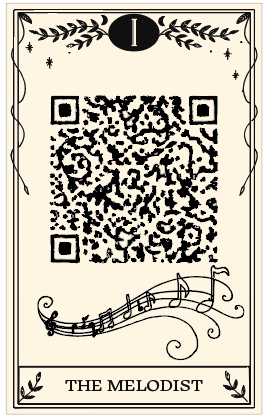
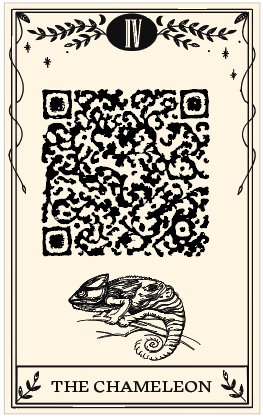
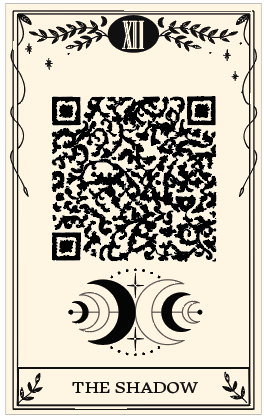
THE ORIGINAL ARTWORK / 12 CARDS
Choose a card.
Look more closely.
Browse the actual card designs. This is an artwork viewer, not a generated reading or an analysis of your personal data.
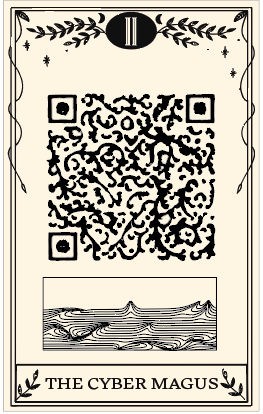
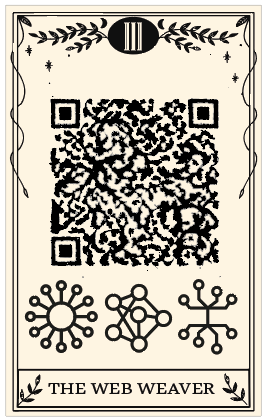
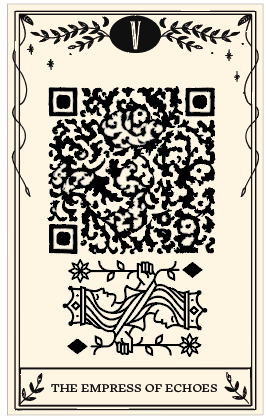
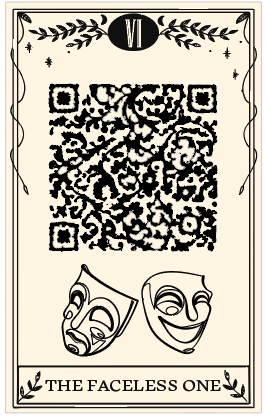
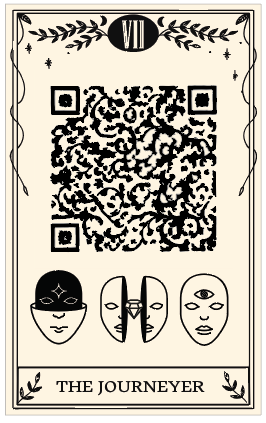
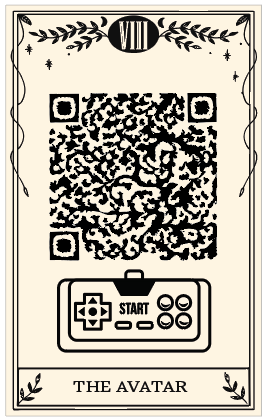
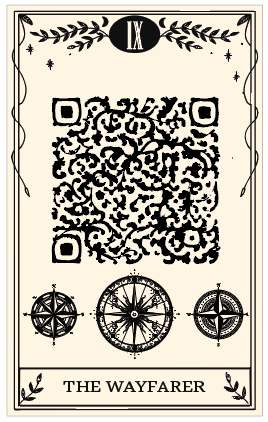
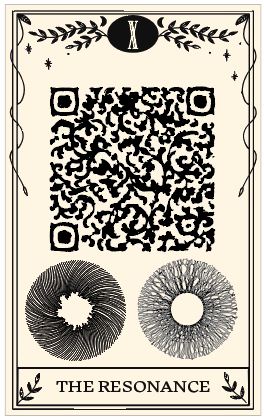
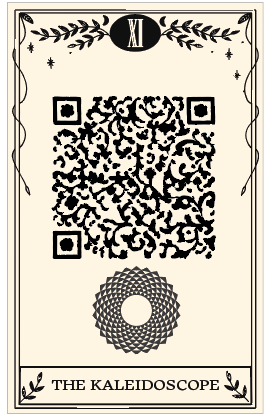
Card names transcribed from the artwork. The original companion readings are not included in this archive; no missing meanings have been invented here.
TWO WAYS OF MAKING A PERSON LEGIBLE
Pattern.
Archetype.
Interpretation.
My digital identity exists in pieces: what I listen to, browse, buy and share. Platforms turn those traces into categories. Tarot also makes meaning through a system of symbols, but leaves interpretation visibly open.
I brought the two together in twelve cards based on my own data. Each has an upright and reversed meaning, with a QR code linking the physical object to a deeper digital interpretation.
Data may reveal a pattern. It cannot contain the whole person.
A documented example: The Chameleon
In the project notes, The Chameleon represents adaptability across platforms. Its reversed reading considers losing a sense of identity through constantly changing how one appears online.
A CODE THAT BELONGS TO THE CARD
Ornament had to
remain functional.
Scan, revise, repeat
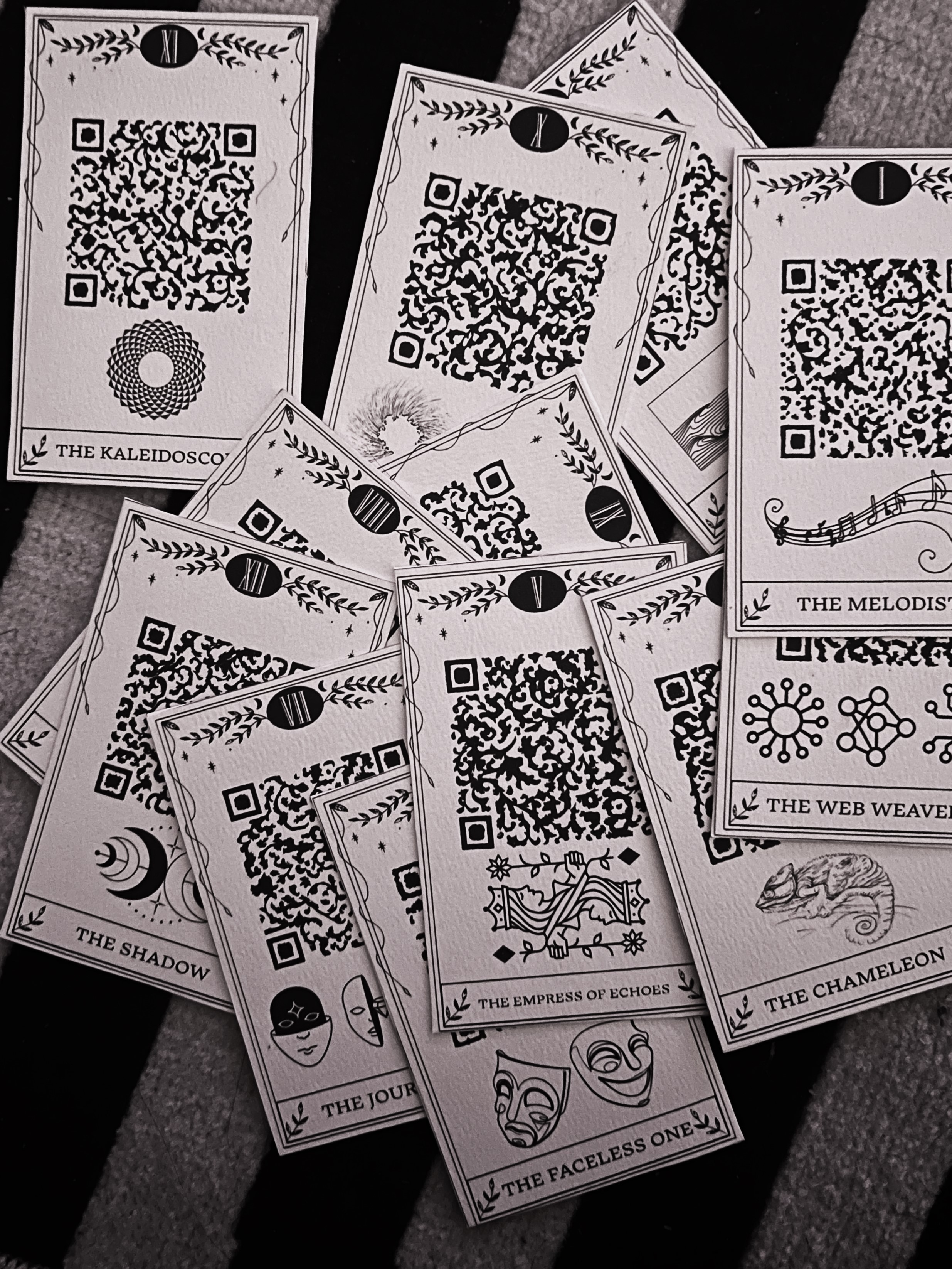
Some generated QR patterns looked right but would not scan. Others worked technically but felt pasted onto the design. Stable Diffusion and QR Code Monster were part of that experiment; I resolved the patterns into two-color, editable Illustrator shapes.
Art Nouveau’s organic ornament softened the technical grid. The code had to become part of the illustration without losing its purpose.
From file to hand
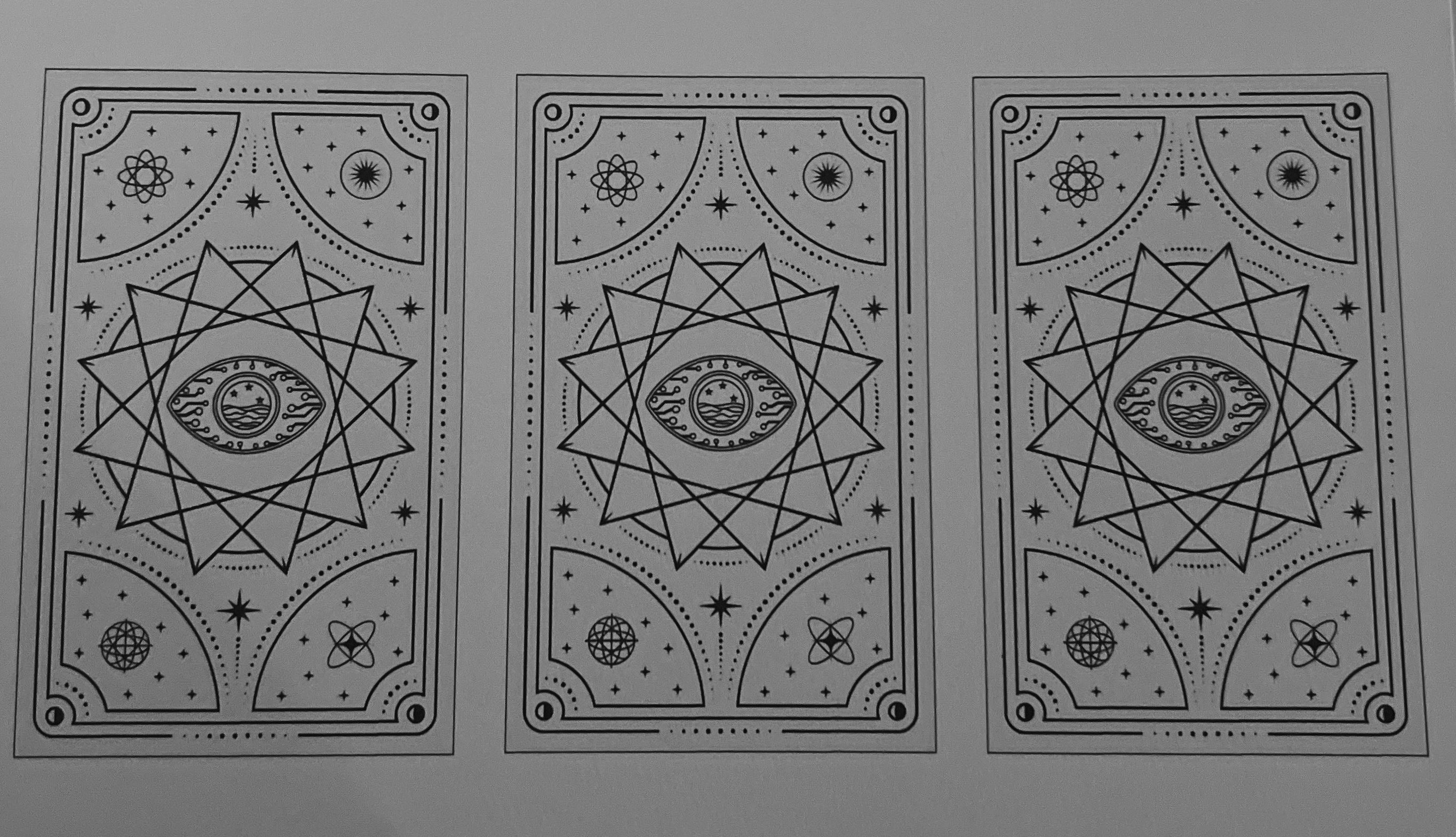
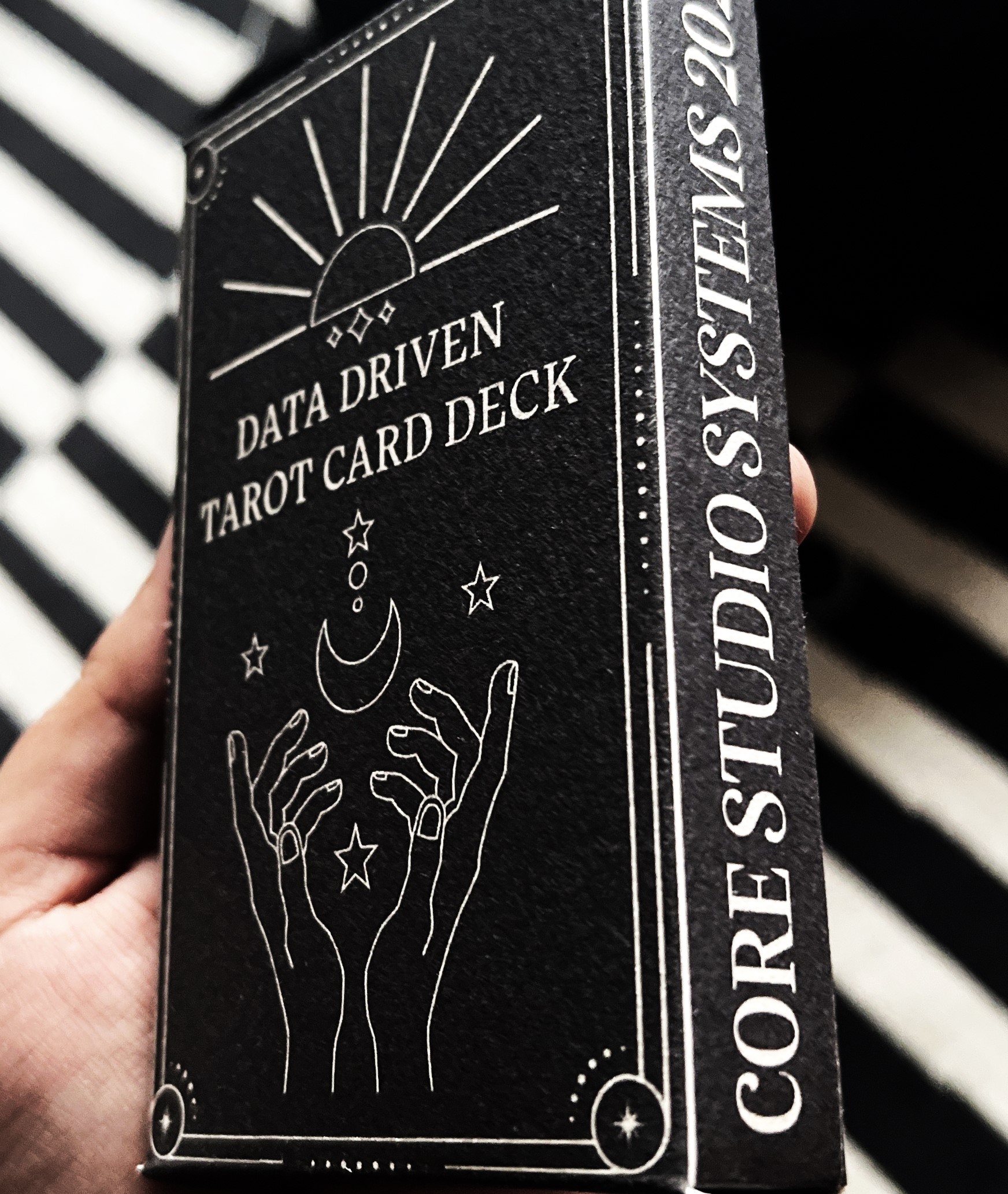
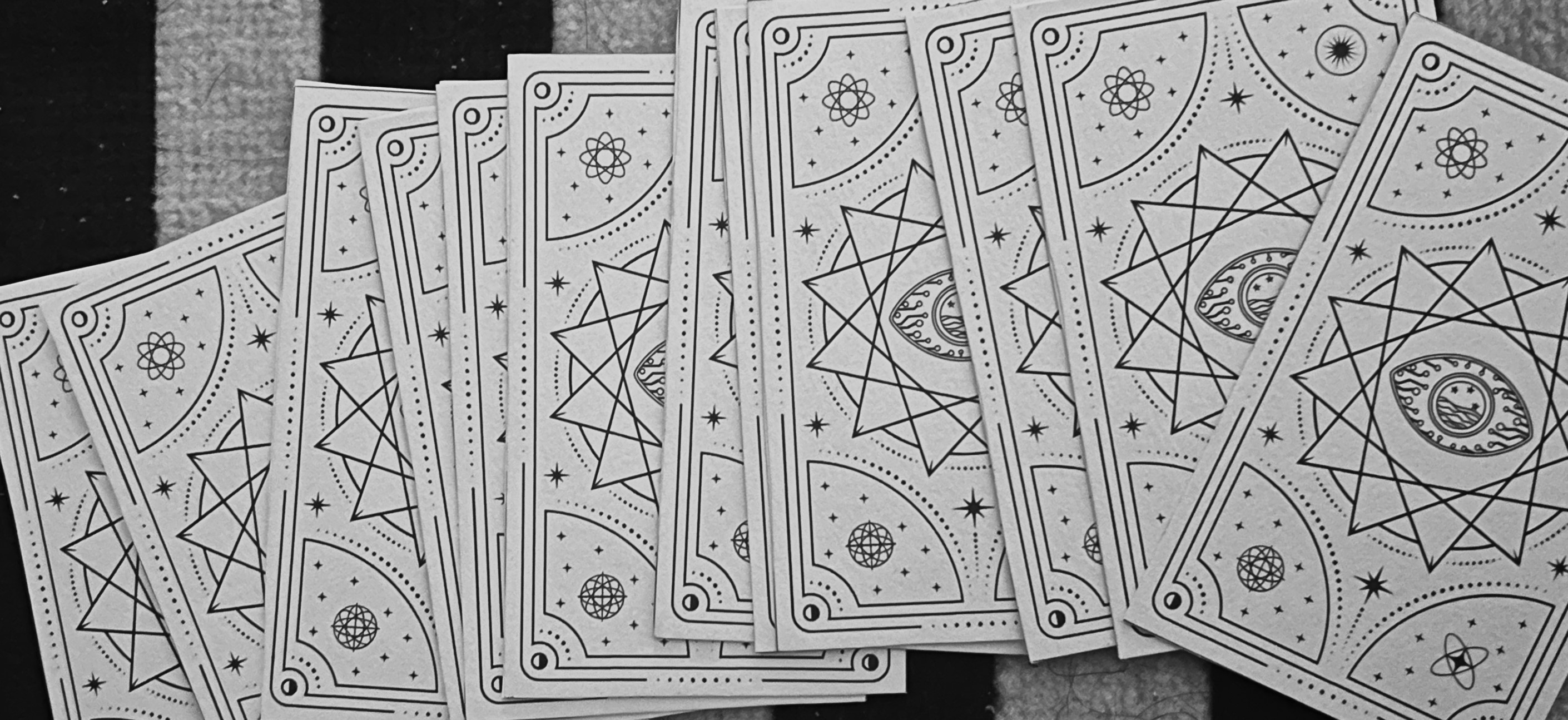
I printed fronts and backs separately on 300gsm cardstock, cut and joined them by hand, then designed the box’s unfolded structure in Illustrator. Uneven edges remained part of the making process.
The documented outcome was a twelve-card deck, backs, handmade packaging and a QR-linked companion site. The notes report successful scanning during production; the old destinations have not been revalidated here.
REFLECTION
A profile is a reading.
It is not a person.
The project joined a tactile ritual with a digital layer while making the interpretation of data visible. A larger deck or a system using other people’s data would be a future development—not a feature of this version.
An earlier experiment with chance ↗Making notes archive
Overview
Data-Driven Tarot is a physical and digital tarot deck based on the personal data I create through things like music, social media, browsing habits and the technology I use every day.
I was interested in the way both tarot and data try to explain who we are. Tarot does it through symbols, archetypes and interpretation, while platforms and algorithms do it through patterns, categories and prediction. Neither one gives a completely objective version of a person, so I wanted to bring the two systems together.
Each card represents a different part of my digital identity and includes both an upright and reversed meaning. The physical cards also contain stylized QR codes that take the viewer to a webpage with a deeper explanation of the card.
Context
The project started from thinking about how scattered my digital identity is. Different platforms know completely different parts of me based on what I listen to, what I search for, what I buy and who I interact with.
All of that data gets turned into profiles that are supposed to represent me, even though they are often incomplete or distorted. I found that similar to tarot, where meaning does not come from one card alone, but from how different symbols are interpreted together.
I chose tarot because it already exists as a system for reflection and understanding parts of yourself that are not always immediately visible. Data is often treated as factual and objective, but it still has to be interpreted. I wanted to explore the overlap between those two ideas.
Concept
The concept was to turn different parts of my personal data into tarot-like archetypes.
I started by listing the kinds of data I regularly generate, including music playlists, social media activity and technology habits. I then matched those patterns with different traits or behaviors and designed a card around each one.
Each card has an upright and reversed meaning to show both sides of the behavior it represents. For example, The Chameleon represents being adaptable across different platforms, while its reversed meaning is about losing your sense of identity by constantly changing yourself depending on where you are online.
Visually, I used Art Nouveau as the main influence because its organic lines and decorative details created a strong contrast with the cold and technical nature of digital data.
Process
I began by researching the history and structure of tarot cards, including common archetypes, symbolism, card spreads and the relationship between upright and reversed meanings.
At the same time, I researched the types of personal data that platforms collect and how that data is used to categorize users. I looked at things like music habits, social media engagement, purchases and device preferences, then used patterns from my own data as the starting point for the cards.
One of the most difficult parts of the project was figuring out how to include QR codes without making them feel pasted onto the design. I experimented with Stable Diffusion and QR Code Monster to turn normal QR codes into more decorative images.
A lot of the early results either looked good but would not scan, or scanned correctly but did not fit the design. I eventually settled on Art Nouveau-inspired floral patterns that could exist as part of the illustration while still being functional.
Once the QR codes were working, I designed a base template for the deck in Adobe Illustrator. I created 12 cards in total, along with the card backs and a box for the deck.
The generated QR patterns were converted into two-color images and expanded into editable shapes so I could recolor them and make them fit the rest of the card design.
I printed the fronts and backs separately on 300gsm cardstock, cut them out by hand and glued them together. Some of the edges ended up slightly uneven because I got impatient, but the cards were still functional and all of the QR codes scanned correctly.
I also designed and built the box myself. I had never made packaging like that before, so I worked out the unfolded shape in Illustrator, added tabs for gluing and adjusted the dimensions to make sure the cards would fit. Somehow, the first version of the box actually worked.
Finally, I built a basic companion website using HTML, CSS and GitHub Pages. Each card links to its own page, where the viewer can read the full upright and reversed interpretation.
Outcome
The final project included a physical deck of 12 cards, custom card backs, a handmade box and a companion website connected through QR codes.
I was honestly surprised by how professional the final deck looked. I was worried it would feel like a rough arts-and-crafts prototype, but the concept and visual system helped it feel much more resolved.
The strongest part of the project was the interaction between the physical and digital elements. The cards could still be shuffled, selected and read like a traditional tarot deck, but scanning them revealed another layer of information.
People responded well to that combination and seemed interested in the idea of using personal data as a form of self-reflection.
Reflection
The project taught me a lot about balancing visual design with technical limitations. The QR codes had to be decorative enough to belong in the cards, but still simple enough to scan reliably.
It also made me think more critically about the idea that personal data is an accurate reflection of who someone is. Data might reveal patterns, but it can also flatten people into categories and leave out everything that cannot be measured.
If I continued the project, I would create a larger deck using more of my personal data and redesign the website so it feels as visually developed as the physical cards.
I would also like to explore a system where other people could use their own data to generate personalized tarot decks. Another direction could involve collaborative decks based on shared group data or augmented reality elements that animate when the cards are scanned.